
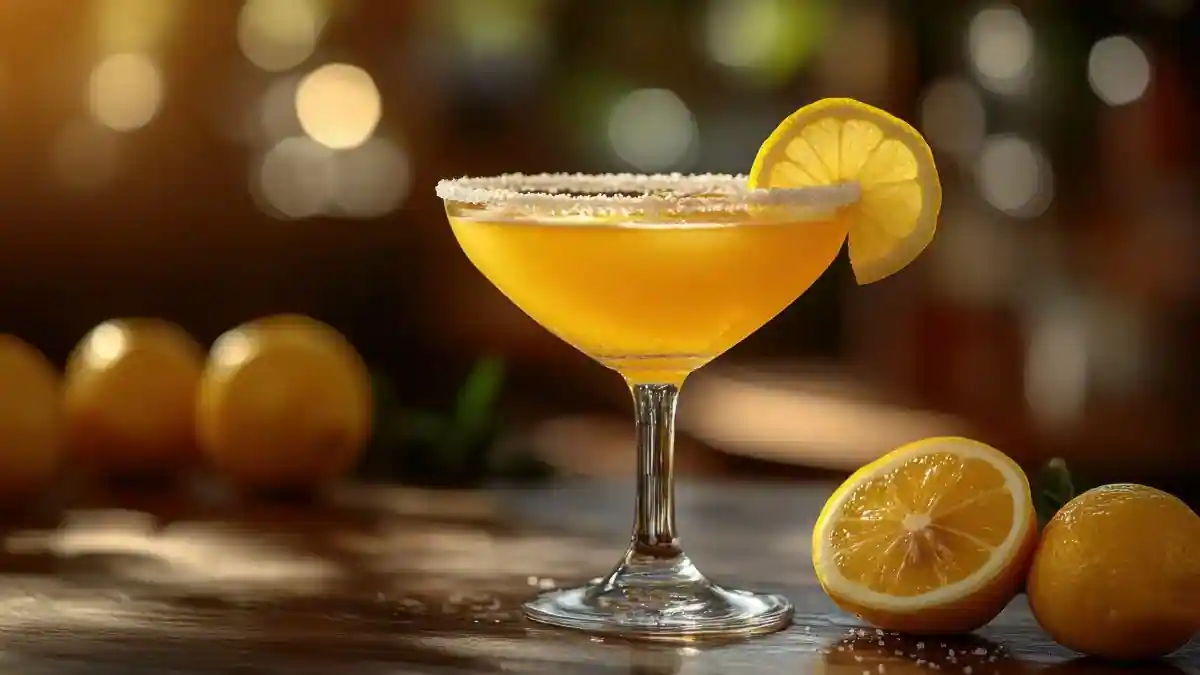
Few classic cocktails balance elegance and bold flavor like the Sidecar cocktail. It offers crisp citrus notes, a smooth brandy base, and an optional sugared rim. Because of its simple preparation and refined taste, the Sidecar remains a favorite among cocktail lovers worldwide.
Origins: A Prohibition-Era Classic with Parisian Flair
The Sidecar cocktail dates back to the early 1900s. Many stories trace its origins to bars in Paris or London. One popular tale claims it was created at Harry’s New York Bar in Paris for a guest who rode in a motorcycle sidecar. Since the drink was crafted especially for him, the name naturally followed.
Over time, the cocktail gained popularity during the Prohibition era. As a result, it became known as one of the most iconic drinks of its time.
Ingredients and Recipe
The Sidecar cocktail blends bright citrus with the warm, rich character of cognac, creating a drink that is both refreshing and sophisticated.
Ingredients:
- Cognac or Brandy: 2 oz – the flavorful, velvety base
- Orange Liqueur (Cointreau or Triple Sec): 1 oz – adds sweetness and citrus depth
- Fresh Lemon Juice: ¾ oz – brings bright, zesty acidity
- Ice – for shaking and chilling
- Sugar – for rimming the glass
- Lemon Twist – for garnish
Preparation:
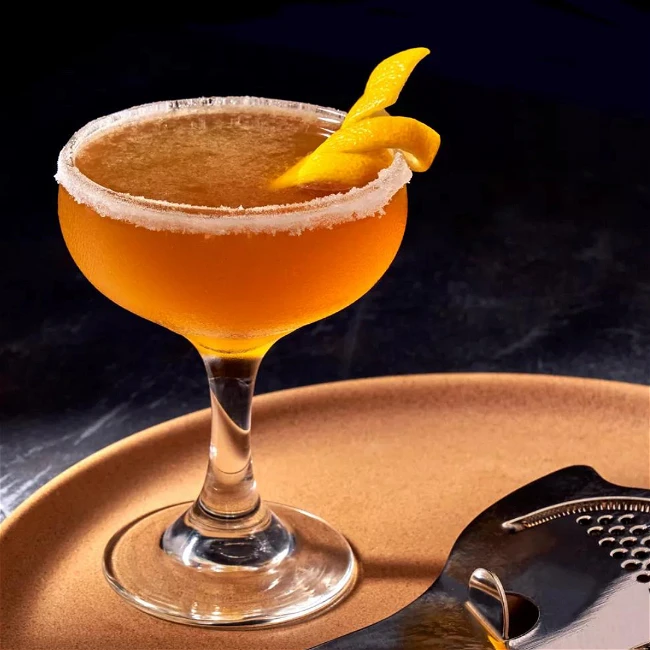
First, rim a chilled coupe glass with sugar. Next, add cognac, orange liqueur, and lemon juice to a shaker filled with ice. Then shake well until the mixture is cold. Finally, strain the drink into the prepared glass and garnish with a lemon twist.
Why Is It Called a “Sidecar”?
The cocktail’s name comes from its charming origin story. According to legend, the drink was inspired by a man who arrived at the bar in a motorcycle sidecar. Because the bartender crafted the drink in his honor, the name stayed.
Today, the unique name adds to the cocktail’s appeal, and it continues to be a memorable part of cocktail culture.
Cultural Significance
The Sidecar has long represented elegance and classic style. Even now, it remains a popular choice for:
- Dinner parties
- Cocktail bars
- Celebrations
- Holiday gatherings
- Classic drink menus
Its balance of citrus and brandy makes it approachable. Moreover, it appeals to both new and experienced cocktail drinkers.
Interesting Anecdotes and Variations
- Some bartenders adjust the sweetness by changing the ratio of liqueur to lemon.
- A “French Sidecar” uses cognac and often tastes richer and fuller.
- The “Boston Sidecar” variation incorporates rum for a tropical twist.
- Modern takes sometimes include blood orange or spiced syrups for seasonal flair.
The beauty of the Sidecar is its versatility—slight adjustments can shift the drink from bright and tart to smooth and mellow.
Timeless Appeal
With its crisp citrus notes, smooth spirit base, and classic presentation, the Sidecar cocktail remains a beloved staple of cocktail culture. Whether you’re crafting one at home or ordering it at a stylish bar, this iconic drink delivers sophistication and flavor in every sip.
Elevate Your Brand with Liquid to Lips Marketing
Your beverage deserves more than just shelf presence—it deserves real engagement, authentic consumer connection, and loyal fans. Liquid to Lips Marketing specializes in strategic sampling programs, immersive activation events, and targeted consumer engagement that convert first-time tasters into repeat customers.
By turning curiosity into trial and trial into sales, we help brands grow market share, deepen consumer loyalty, and create unforgettable brand experiences.
📩 Schedule your consultation today: https://calendly.com/liquidtolipsmarketing