Executive summary
The high-converting retail activation framework is now essential for beverage brand managers, supplier leaders, and distributors who need in-store activations to deliver measurable commercial results—not just trial volume.
High-converting retail activations are no longer built on energy and brand presence alone. They are engineered through disciplined planning, operational precision, and real-time performance insight. For beverage leaders, the anatomy of a successful activation now depends on how well field execution, shopper behavior, and retail priorities are connected through data. This article outlines the core components that consistently drive conversion across grocery, specialty beverage, and regulated categories.
Why “high-converting” retail activation now means something different
Retail activations used to be measured by how many samples were poured and how many shifts were completed. Today, retailers and distributors increasingly expect activations to support:
- category performance,
- shelf productivity,
- and operational efficiency.
Industry estimates (trade and field benchmarking):
- In-store trial can drive 20–35% higher short-term lift when activation is aligned to shelf location and traffic flow.
- Programs that capture shopper and execution data outperform experience-only activations by 10–20% in repeat placement approvals.
Conversion is now as much about how an activation runs as where and why it runs.
1. Location strategy that matches real shopper behavior
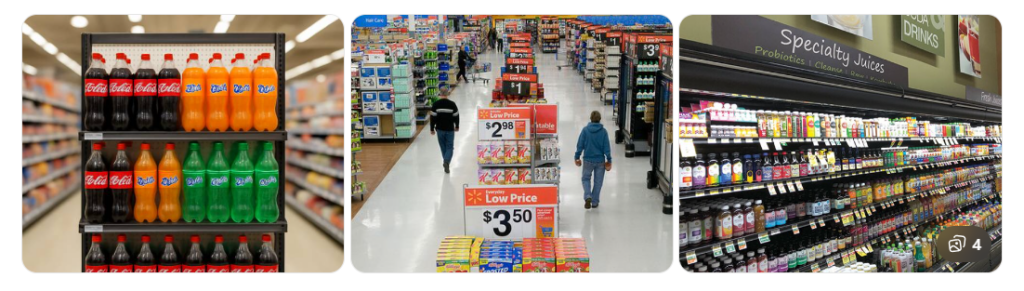
High-converting activations begin with placement discipline.
What top-performing locations have in common
- Positioned along dominant traffic paths
- Adjacent to the product shelf or display
- Located where shoppers are already making decisions
Operational reality:
A visually attractive demo in a low-traffic aisle almost never outperforms a simple setup placed directly along a primary corridor.
Real-world example (generic):
A functional beverage brand moved its demo from the back of the cold box aisle to a front cross-aisle adjacent to its display. Engagement increased substantially, even though the demo team and script remained unchanged.
2. Shopper-relevant messaging—not brand storytelling
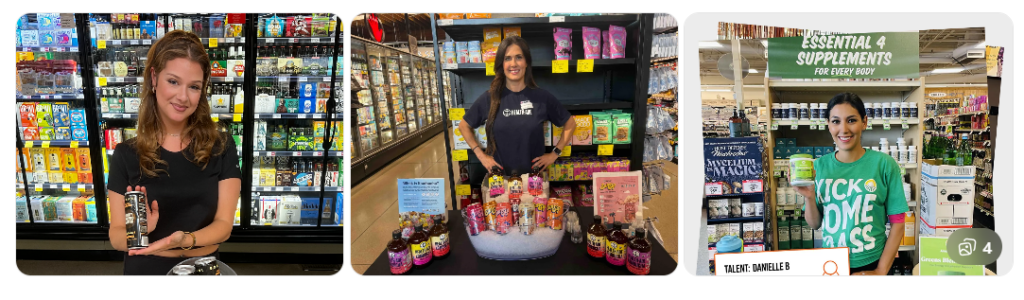
High-converting activations speak the shopper’s language.
Effective activation scripts prioritize:
- flavor and taste expectations
- usage occasions
- price-value positioning
- category comparisons
Industry estimate:
Programs that simplify their message to one primary benefit typically generate 15–25% higher shopper engagement rates than multi-attribute brand stories.
The goal is not brand education. The goal is purchase confidence.
3. Field teams trained for retail—not for events
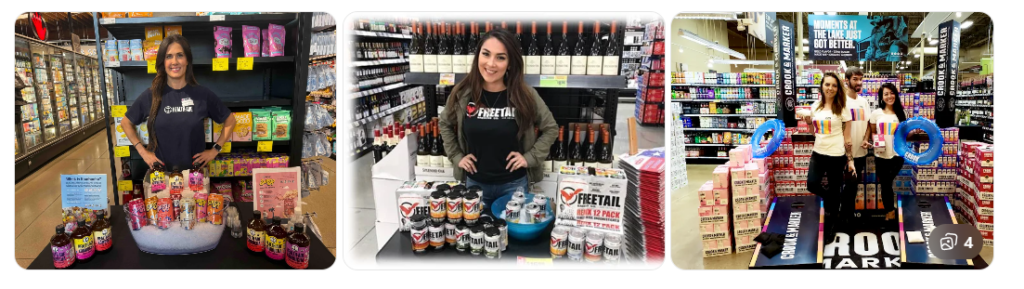
One of the most underestimated drivers of conversion is the operational maturity of the field team.
High-converting teams consistently demonstrate:
- traffic-aware engagement behavior
- fast and compliant setup
- aisle and cart-flow management
- collaborative interaction with store associates
- precise shelf location awareness
Operational insight:
Retail teams remember how an activation feels to run—not just how it performs commercially. Operational friction reduces future placement opportunities.
4. Inventory and shelf readiness at the moment of trial
No activation converts when shoppers cannot immediately find the product.
High-performing programs validate:
- product on shelf before the shift starts
- display builds and price tags in place
- cold availability (when applicable)
Industry estimate:
Out-of-stock conditions during sampling reduce same-day conversion by 30–40%.
Real-world example (generic):
A ready-to-drink brand recorded strong engagement during a Saturday activation, but post-shift data showed the item was missing from one facing in the primary set. The brand lost conversion despite high interaction volume.
5. Compliance and risk control as conversion enablers
In alcohol and emerging THC beverage categories, compliance is not only regulatory—it is commercial.
High-converting activations are built on:
- documented age-verification processes
- standardized training completion
- shift-level compliance reporting
Retailers and distributors increasingly prefer activation partners that can demonstrate controlled, auditable execution.
Operational reliability builds long-term access.
6. Distributor and store-level alignment before activation
Retail activation becomes materially stronger when it is connected to selling activity.
High-performing brands:
- share activation calendars with distributor sales leadership
- align demos with account manager store visits
- coordinate follow-up conversations on priority stores
This matters in large national grocery environments such as Kroger and in strong regional operators like H-E-B, where store leadership and distributor relationships heavily influence placement quality.
Practical impact:
Sampling that supports an active reorder or display discussion is more likely to be viewed as a commercial tool rather than a marketing request.
7. Structured data capture during the activation
The anatomy of a high-converting activation now includes a defined data layer.
High-value data captured in top programs:
- shopper engagement volume
- estimated intent or conversion indicators
- top objections (price, flavor, function, format)
- shelf and display compliance
- store associate feedback
Industry estimate:
Brands that incorporate structured field reporting into their activation programs improve future activation performance by 10–18% through schedule, store, and messaging optimization.
8. Post-activation analysis that feeds the next deployment
Conversion does not end when the shift closes.
High-performing teams:
- compare performance by store cluster
- identify repeat execution gaps
- refine scripts based on objection data
- rebalance day-of-week and location strategies
The activation itself becomes a testing environment—not just an execution event.
9. Technology-enabled execution as a foundation layer
The complexity of modern retail activation requires more than spreadsheets and post-event summaries.
As a technology-enabled activation partner and data-first sampling platform, Liquid to Lips Marketing supports beverage brands through:
- real-time shift verification and field visibility
- standardized compliance workflows
- centralized team management across markets
- store- and market-level performance dashboards
The strategic advantage is not simply national scale. It is the ability to connect:
- execution behavior,
- shopper response,
- and retail outcomes
into one operational system that informs commercial decisions.
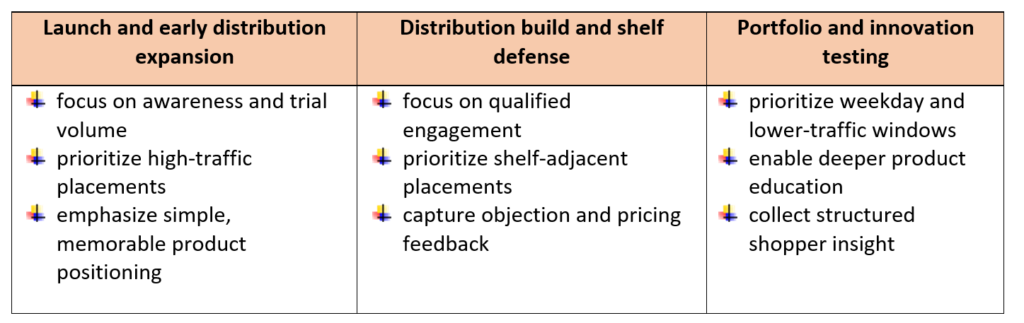
10. Category and lifecycle alignment
The anatomy of a high-converting activation changes depending on where the brand sits in its growth cycle.
Actionable takeaways for beverage leaders
To design high-converting retail activations:
- Select locations based on traffic flow and shelf proximity.
- Simplify shopper messaging to one primary benefit.
- Train field teams specifically for retail environments.
- Validate shelf availability before every shift.
- Build compliance controls into every activation.
- Align demo calendars with distributor selling activity.
- Capture structured shopper and execution data.
- Use post-activation analysis to guide future placement and scheduling.
- Deploy technology that enables real-time visibility and standardized reporting.
Conclusion: conversion is engineered, not improvised
The anatomy of a high-converting retail activation is defined by operational discipline, shopper-relevant engagement, and decision-grade data.
As retail becomes more performance-driven and execution expectations rise—especially across regulated beverage categories—brands that treat activations as structured commercial systems gain a measurable advantage. Data-driven planning, technology-enabled field execution, and national operational consistency are no longer differentiators. They are the foundation for sustainable activation performance.