Executive Summary
The journey from sampling to permanent pour is one of the most effective strategies beverage brands use to win menu placement in bars and restaurants. Strategic sampling creates consumer trial, generates immediate demand, and builds bartender advocacy—three signals operators rely on when deciding which spirits stay on the menu. When executed with consistent data tracking and operational discipline, the sampling to permanent pour pathway becomes a measurable growth engine for beverage brands. This article explores how brands can turn tasting activations into long-term placements behind the bar.
Understanding the Sampling to Permanent Pour Pathway
Bars and restaurants operate with extremely limited shelf and menu space. Every spirit behind the bar must earn its place through performance.
For beverage directors and bar managers, permanent menu placement usually depends on three signals:
- Consumer demand
- Bartender advocacy
- Consistent sales velocity
A structured sampling to permanent pour strategy helps brands generate these signals faster than traditional marketing channels.
Industry estimates suggest 60–70% of guests trying a new spirit in bars are doing so for the first time (approximate estimate based on hospitality marketing research). Sampling therefore becomes one of the most efficient ways to introduce a product.
For additional insights into beverage market trends, brands can reference research from the
Distilled Spirits Council of the United States (DISCUS) and hospitality analytics providers such as NielsenIQ.
The Four Stages from Sampling to Permanent Pour
Stage 1: Introduce the Brand Through Strategic Sampling
The first step is controlled exposure.
Sampling activations should occur in venues where the brand’s flavor profile, price point, and consumer demographic align with the venue’s existing menu.
Effective sampling environments include:
- Cocktail-focused bars
- High-traffic casual dining restaurants
- Premium nightlife venues
- Trend-forward hospitality concepts
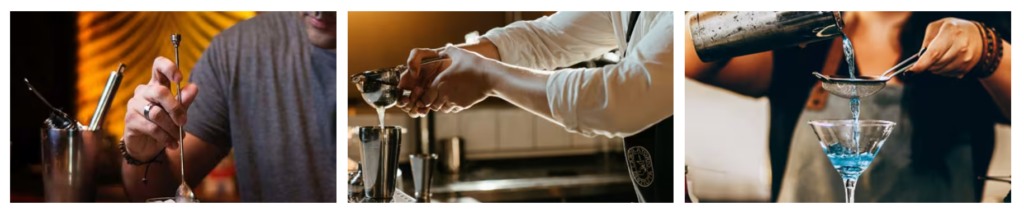
Rather than simply distributing samples, the goal is to introduce the spirit within the context of a finished cocktail or curated tasting experience.
This allows consumers to understand how the spirit performs in a real drinking occasion.
Key elements of effective sampling:
- Bartender or brand ambassador storytelling
- Simple but distinctive cocktail recipes
- Clear brand positioning
- Efficient service flow
Sampling events that integrate smoothly into venue operations are significantly more likely to earn staff support.
Stage 2: Generate Immediate Consumer Demand
The next stage focuses on converting trial into real purchases during the activation itself.
Research across beverage sampling programs suggests that 10–30% of consumers who sample a product may purchase the drink during the same visit (industry estimate).
To encourage this conversion:
Offer a Signature Cocktail
A signature cocktail gives the venue a simple, replicable serve that bartenders can easily reproduce.
Characteristics of a strong activation cocktail include:
- 3–4 ingredients
- Fast preparation
- Visual appeal
- Distinct flavor profile
Create a Clear Purchase Path
Guests should immediately know how to order the drink after sampling.
This can be achieved through:
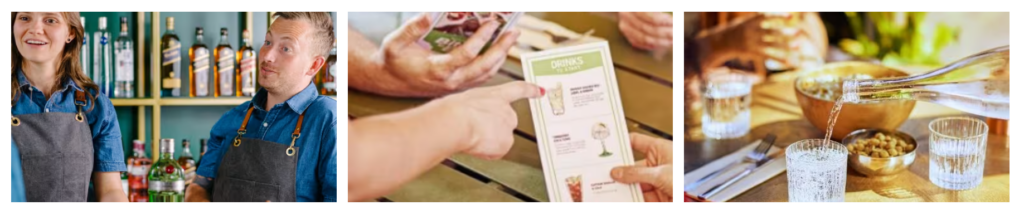
- Table tents or menu inserts
- Chalkboard features
- Verbal bartender recommendations
The faster the transition from sample to order, the stronger the sales signal becomes.
Stage 3: Build Bartender Advocacy
One of the most important—but often overlooked—drivers of permanent placement is bartender support.
Hospitality staff influence guest purchasing decisions more than any other marketing channel in the on-premise environment.
According to hospitality industry surveys, over 70% of consumers report trusting bartender recommendations when trying a new spirit (approximate estimate).
Successful activation programs actively engage bartenders through:
- Pre-shift product education
- Tastings for staff
- Incentive programs
- Simple talking points
When bartenders genuinely enjoy a product, they recommend it organically.
This advocacy can drive consistent sales long after the initial sampling event ends.
Turning Activation Data Into Placement Decisions
Sampling activations should not operate as standalone marketing events. They should function as data collection opportunities that inform sales conversations with venue decision-makers.
Key metrics to track include:
Sampling Volume
How many guests experienced the product?
Conversion Rate
How many sampled guests ordered a full drink?
Post-Activation Sales
Did the venue reorder the product after the event?
Bartender Feedback
What did staff say about the product’s usability and guest reception?
Menu Integration Potential
Did the cocktail fit naturally into the venue’s menu style?
Collecting and analyzing this data helps supplier sales teams demonstrate value to both distributors and bar operators.
Modern activation platforms increasingly use digital tools to capture this information in real time.
Technology-enabled reporting systems—like those used by Liquid to Lips—allow brands to monitor sampling performance, conversion metrics, and field activity across multiple markets simultaneously.
This data-driven visibility is critical for scaling activation programs nationally.
The Role of Distributor Alignment
Distributors play an essential role in converting successful sampling events into long-term placements.
Even when consumer demand is strong, permanent placement often requires distributor engagement to ensure:
- Inventory availability
- Competitive pricing
- Account management support
Effective supplier teams involve distributors early in the activation strategy.
Best practices include:
- Sharing activation schedules in advance
- Aligning sampling markets with distributor priorities
- Providing post-event sales data
When distributors see evidence of consumer demand, they are more likely to support expanded placement within their account network.
Real-World Activation Example
Consider a hypothetical emerging tequila brand launching in a regional cocktail market.
The brand schedules a series of sampling activations across ten cocktail-focused bars over six weeks.
Each event features:
- A signature tequila spritz
- Staff education sessions
- Guest sampling during peak hours
Activation results (illustrative example):
- 1,200 samples served
- 22% immediate purchase conversion
- Eight venues reordered product within two weeks
- Four venues added the cocktail to their permanent menu
The key driver of this success was not just the sampling itself, but the structured strategy behind it—targeting the right venues, engaging staff, and capturing performance data.
Scaling the Pathway Nationally
Once a brand proves success in individual venues, the next step is replication across multiple markets.
National beverage brands often scale their sampling-to-placement strategy through:
- Standardized activation playbooks
- Centralized performance tracking
- Field team training
- Market-by-market rollout planning
A coordinated execution partner can help maintain consistency across markets while capturing performance data that informs future activations.
Technology-enabled platforms increasingly play a role here, providing:
- Activation scheduling
- Field reporting
- Performance dashboards
- Real-time insights
These capabilities allow brands to move beyond anecdotal success and operate with measurable marketing outcomes.
Actionable Takeaways for Beverage Brands
Brands looking to move from sampling to permanent placement should focus on a few core principles:
Design sampling with a clear objective
Sampling should drive measurable outcomes, not just exposure.
Engage bartenders early
Staff advocacy significantly influences guest purchasing decisions.
Use simple, repeatable cocktails
Ease of service increases the likelihood of menu adoption.
Track conversion data
Sampling metrics help demonstrate value to distributors and venue operators.
Scale what works
Successful activations should be documented and replicated across similar venues.
Conclusion
The sampling to permanent pour pathway is one of the most effective ways beverage brands earn lasting menu placement.
When sampling programs generate measurable consumer demand, engage bartenders, and demonstrate consistent sales performance, venues are far more likely to keep the product behind the bar.
Data-driven activation programs—supported by technology-enabled platforms and national execution partners such as Liquid to Lips—allow brands to scale this strategy across markets while continuously optimizing results.
In today’s competitive beverage landscape, the brands that succeed are those that transform sampling from a promotional tactic into a structured, data-informed growth engine.