Executive Summary
Launching a beverage product today requires more than securing distribution and hoping for consumer discovery. A structured beverage product launch playbook helps brands build awareness, drive trial, and generate repeat purchases through coordinated distributor alignment, targeted sampling programs, and measurable activations. With thousands of new beverage SKUs entering the market each year, brands that approach launches strategically—using data to guide execution—are significantly more likely to achieve sustainable retail velocity.
Industry estimates suggest that more than 70% of new beverage products fail within two years, often due to poor launch execution rather than product quality. This guide outlines a practical beverage product launch playbook for brand managers, supplier sales teams, and distributor leaders.
1. Start with Market Intelligence and Positioning
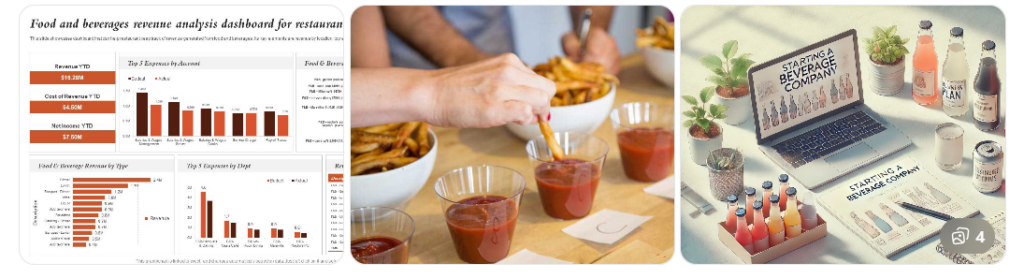
Every successful product launch begins with a clear understanding of category dynamics, target consumer behavior, and competitive positioning.
Before introducing a new SKU to the market, brand leaders should answer several foundational questions:
- What gap exists within the category?
- Who is the ideal consumer?
- What occasions drive purchase?
- How does the product differentiate from established competitors?
In the spirits category, for example, premiumization continues to drive growth. Industry reports estimate that premium and super-premium spirits account for over 50% of category revenue growth in the U.S. This trend shapes how emerging brands position flavor profiles, packaging, and price points.
Key Launch Preparation Steps
- Conduct category and competitor analysis.
- Identify your core consumer persona.
- Define your unique selling proposition (USP).
- Align messaging across marketing, distributor sales teams, and retail partners.
Without a strong strategic foundation, even well-funded launches struggle to achieve sustainable velocity.
2. Align Early With Distributors and Trade Partners
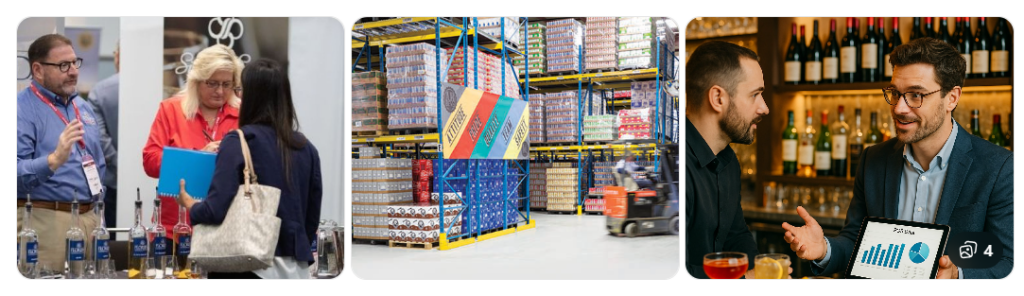
Distributor alignment is one of the most overlooked elements of beverage launches.
Suppliers often focus heavily on consumer marketing, yet distributor sales teams ultimately drive placement in retail and on-premise accounts. Without their engagement, even well-positioned products struggle to gain traction.
Successful brands treat distributors as strategic partners, not simply logistics providers.
Distributor Launch Essentials
- Conduct distributor sales training before launch.
- Provide compelling sell sheets and product education.
- Offer clear account targets and priority markets.
- Align incentives with measurable sales goals.
- For example, many emerging spirits brands launch with a focused regional strategy, concentrating on 1–3 key metro areas rather than spreading resources nationally. This allows distributor teams to build meaningful account penetration.
3. Build Awareness Through Targeted Sampling Programs
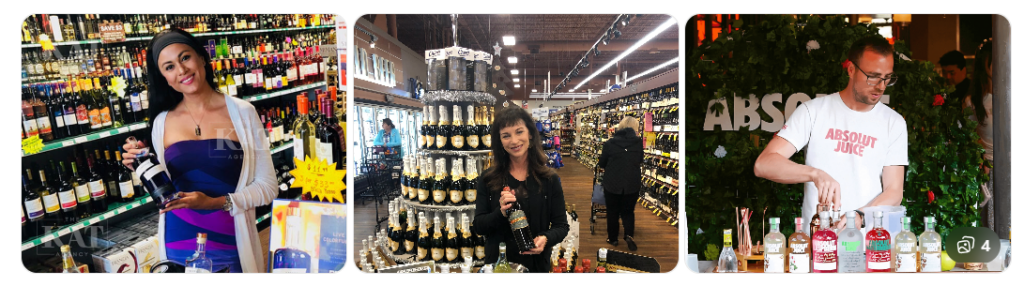
Sampling remains one of the most effective tactics for beverage launches because taste drives purchase decisions.
Research across beverage categories consistently shows that consumers who sample a product are significantly more likely to purchase it. Industry estimates suggest conversion rates from sampling can range between 20–35% depending on category and execution quality.
However, not all sampling programs are created equal. High-performing activations share several characteristics:
Characteristics of Effective Sampling Activations
- Locations selected based on target consumer demographics
- Trained brand ambassadors who communicate product story
- Integration with retailer promotions or menu placements
- Clear capture of activation data and consumer feedback
Technology-enabled sampling platforms allow brands to track key metrics such as:
- Event attendance
- Sample-to-purchase conversion
- Market-level performance
- Consumer feedback
A data-first activation strategy enables brands to refine messaging, optimize market selection, and improve future launch performance.
4. Drive On-Premise Menu Placement
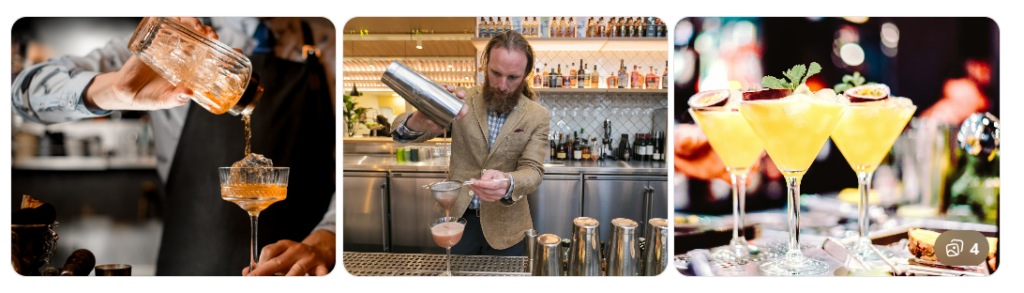
For spirits, wine, and emerging beverage categories, on-premise placement plays a critical role in brand discovery.
Bars and restaurants act as powerful trial environments where consumers experience products through curated cocktails, tastings, or staff recommendations.
Securing menu placement typically requires:
- Strong relationships with beverage directors
- Training for bartenders and staff
- Support through launch activations or tasting events
Effective On-Premise Launch Tactics
- Host bartender education sessions.
- Sponsor cocktail menu features.
- Run limited-time cocktail promotions.
- Coordinate launch events with media or influencers.
These programs introduce the brand within a trusted environment where consumers are more open to experimentation.
5. Capture and Use Data to Refine the Launch
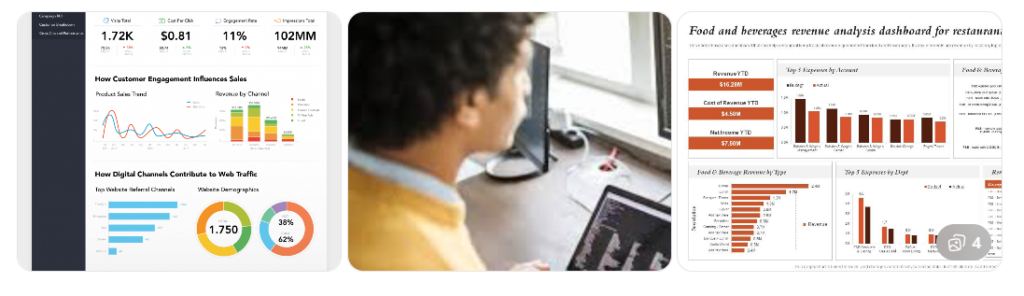
One of the most significant shifts in beverage marketing over the past decade is the growing emphasis on data-driven activation.
Traditional brand activations often focused on reach rather than measurable outcomes. Today, brands increasingly expect insights that answer questions such as:
- Which markets generate the highest conversion rates?
- Which retailers drive repeat purchase?
- What messaging resonates most with consumers?
A structured launch program should track metrics including:
- Sampling conversion rates
- Retail velocity after activations
- On-premise menu placements
- Consumer sentiment and feedback
These insights allow brand teams to adjust strategy quickly, reallocating resources to the markets and channels delivering the strongest return.
Technology-enabled activation platforms help brands aggregate these insights across multiple markets and retail partners, turning field execution into actionable intelligence.
6. Scale Strategically After Initial Market Validation
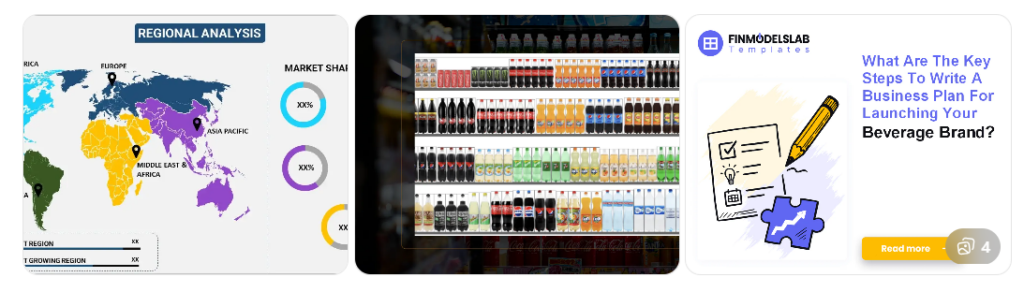
Once early markets demonstrate traction, brands can begin expanding distribution and marketing efforts.
However, scaling too quickly remains a common mistake for emerging brands.
Industry consultants often advise validating the following before expanding into new markets:
- Consistent retail reorder rates
- Distributor sales engagement
- Strong sampling conversion data
- Positive consumer feedback
By validating success in initial markets, brands can expand with greater confidence and stronger distributor support.
Actionable Takeaways for Beverage Brand Launches
For brand managers and supplier sales leaders, a successful launch typically includes the following components:
1. Start with strategic positioning.
Define your consumer, category role, and differentiation clearly.
2. Align distributors early.
Equip sales teams with training and tools before the product hits the market.
3. Invest in targeted sampling.
Sampling remains one of the most effective methods for driving trial and awareness.
4. Prioritize on-premise placements.
Bars and restaurants create influential brand discovery moments.
5. Measure everything.
Track conversion rates, retail velocity, and consumer feedback to optimize strategy.
6. Scale deliberately.
Expand distribution only after validating success in early markets.
Conclusion: Data-Driven Activations Drive Successful Launches
Launching a beverage product in today’s competitive landscape requires more than traditional marketing tactics. The most successful brands combine strategic positioning, distributor engagement, targeted sampling, and measurable activations to build momentum in the market.
Data-driven execution is increasingly the differentiator between launches that generate sustained retail velocity and those that struggle to gain traction.
For beverage brands seeking to translate consumer trial into measurable growth, working with technology-enabled activation partners capable of executing nationally while capturing real performance data can play a critical role in launch success.
By turning real-world activations into actionable insights, brands can refine strategy, support distributor teams, and scale with confidence across new markets.