Executive Summary
Successful beverage product launches rarely happen through supplier effort alone. Distributor-aligned launch strategies ensure that supplier marketing, sales initiatives, and field activations directly support the priorities of distributor sales teams. When alignment exists, brands are more likely to secure retail placements, gain on-premise visibility, and achieve early sales velocity. In a competitive beverage landscape, structured coordination between suppliers and distributors—supported by measurable consumer activations—can significantly increase the likelihood of a successful market entry.
Why Distributor Alignment Matters in Beverage Launches
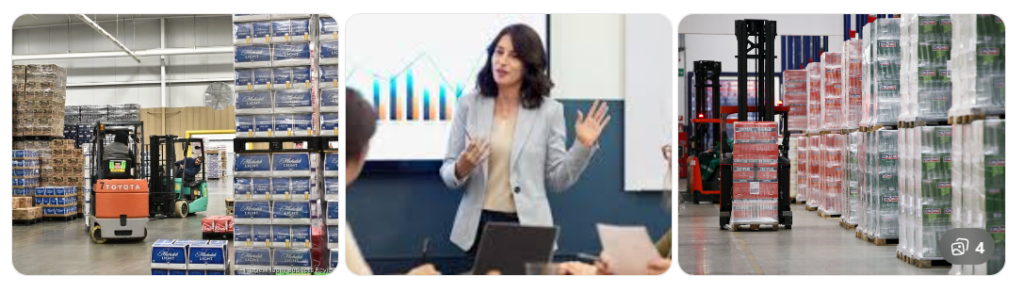
In the beverage alcohol industry, distributors serve as the primary link between suppliers and retailers. They influence which products reach store shelves, which brands receive sales attention, and which accounts prioritize new placements.
However, distributors manage large and competitive portfolios. A single distributor may represent hundreds or even thousands of SKUs across multiple suppliers. As a result, new brands must earn internal attention within the distributor organization.
Industry estimates suggest that distributor sales representatives often manage portfolios of 200–400 products, limiting the amount of time they can dedicate to promoting any single new brand.
Distributor-aligned launch strategies help overcome this challenge by ensuring that supplier marketing efforts reinforce distributor sales priorities rather than competing with them.
Key advantages of distributor alignment include:
- Stronger retail introductions
- Increased account placements
- Improved product education within the distributor team
- Faster early sales velocity
Without this alignment, even well-funded brand launches can struggle to gain traction.
Step 1: Educate Distributor Sales Teams Before Launch
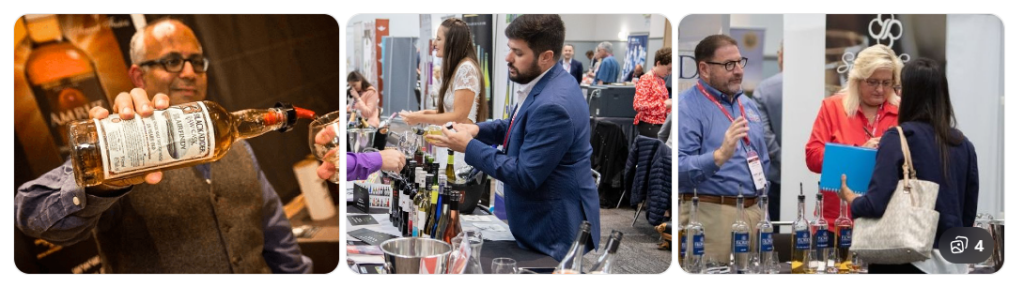
One of the most important elements of distributor-aligned launch strategies is early sales team education.
Distributor representatives must understand the product clearly in order to recommend it confidently to retail buyers and beverage directors.
Effective distributor training typically includes:
- Product tastings and flavor profile explanations
- Clear positioning within the category
- Key selling points for retailers
- Suggested retail pricing and merchandising strategy
For example, when introducing a new ready-to-drink cocktail brand, a supplier might provide distributor sales teams with talking points that highlight:
- Premium spirit base
- Differentiated flavor profiles
- Target consumer demographics
- Competitive positioning within the RTD category
These insights allow sales representatives to communicate the brand’s value proposition effectively when speaking with retail buyers.
Step 2: Align Target Accounts With Distributor Priorities
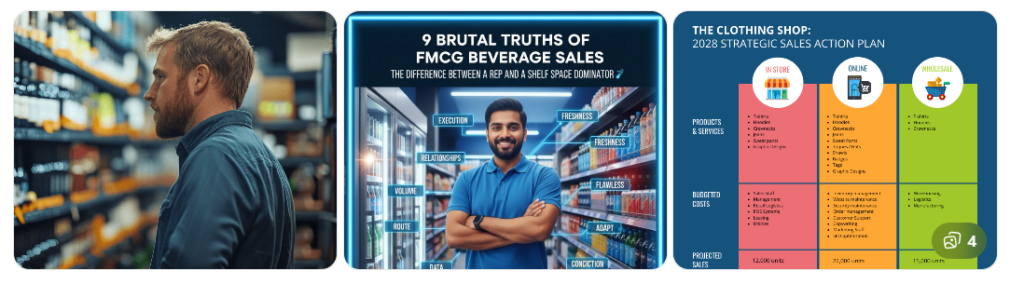
Distributor-aligned launch strategies focus on priority accounts rather than broad, unfocused expansion.
Successful brands typically work with distributor teams to identify:
- High-volume retail locations
- Trend-forward liquor stores
- Influential bars and restaurants
- Retailers known for supporting new brands
Targeting these accounts allows suppliers to concentrate their marketing efforts where they will have the greatest impact.
For example, a craft spirits brand launching in a new metropolitan market might initially focus on:
- 20–30 key retail stores with strong spirits sales
- Several influential cocktail bars
- A small group of high-visibility restaurant partners
Once the brand demonstrates consistent sales velocity in these accounts, expansion becomes easier.
Step 3: Support Distributor Sales With Consumer Activations

Distributor-aligned launches are significantly more effective when supported by consumer-facing activations.
Sampling programs allow brands to create demand at the retail level while distributor sales teams focus on account placements.
Research across beverage categories consistently shows that consumer trial is one of the strongest drivers of purchase intent.
Estimated industry benchmarks suggest:
- 20–30% of consumers purchase immediately after sampling
- Retail stores hosting tasting events often see short-term sales spikes
- Brands with active field programs gain stronger distributor engagement
When distributor representatives see strong consumer response at retail locations, they are more likely to continue recommending the product to additional accounts.
Consumer activations also help build brand familiarity in new markets where awareness may initially be low.
Step 4: Provide Field Feedback to Distributor Teams
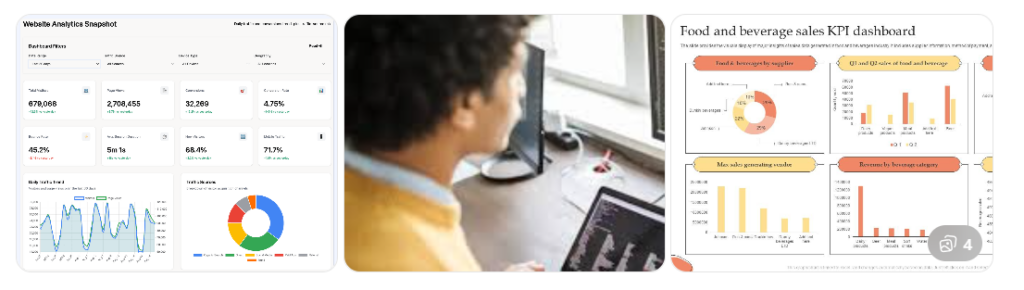
Distributor-aligned launch strategies should include consistent performance feedback.
Sharing activation results with distributor teams helps reinforce the brand’s momentum and encourages continued sales support.
Examples of useful insights include:
- Consumer feedback on flavor profiles
- Sampling conversion rates
- Retail locations with strong engagement
- Emerging market trends observed during activations
Data-driven reporting helps distributor representatives communicate real results when speaking with retail buyers.
For instance, if sampling programs demonstrate strong conversion rates at certain types of retailers, distributor teams can use that insight to target similar accounts.
Technology-enabled activation platforms increasingly allow brands to track these insights across multiple markets simultaneously, providing both suppliers and distributors with clearer visibility into field performance.
Step 5: Maintain Momentum After Initial Launch
Launching a product successfully requires sustained effort beyond the initial introduction.
Distributor-aligned strategies typically include ongoing support such as:
- Follow-up sampling activations
- Seasonal promotions
- On-premise education for bartenders
- Retail merchandising initiatives
Maintaining visibility helps ensure that the product remains top-of-mind for both consumers and distributor sales representatives.
Brands that maintain consistent field presence often experience stronger reorder rates and broader distribution growth over time.
Actionable Takeaways for Distributor-Aligned Launches
Beverage brands can improve their chances of successful market entry by focusing on several key principles:
Prioritize distributor education
Ensure sales teams understand the product’s positioning and key selling points.
Focus on high-impact accounts
Target influential retail and on-premise locations first.
Support sales with consumer activations
Sampling programs create demand that reinforces distributor efforts.
Share performance insights
Provide distributors with data that demonstrates consumer engagement.
Maintain consistent field presence
Ongoing activations help sustain momentum after the initial launch.
Conclusion: Data-Driven Activations Strengthen Distributor Partnerships
In today’s competitive beverage landscape, successful product launches depend on strong collaboration between suppliers and distributors.
Distributor-aligned launch strategies ensure that supplier marketing investments directly support distributor sales priorities. When brands combine distributor education, targeted account strategies, and consumer-facing activations, they create a more cohesive and effective path to market.
Increasingly, beverage companies are turning to technology-enabled activation partners capable of executing sampling programs nationally while capturing meaningful performance data. These insights allow brands to refine strategy, support distributor teams more effectively, and scale distribution with greater confidence.
In a market where shelf space and sales attention are limited, data-driven field activations help transform distributor partnerships into long-term growth opportunities.