Executive Summary
Expanding into new states is one of the most important growth milestones for beverage brands—but it also carries significant risk. Distribution alone rarely guarantees success; brands must quickly build consumer awareness and retail velocity to secure long-term placements. Strategic sampling programs remain one of the most effective tools for generating trial, educating consumers, and supporting distributor sales teams. When executed with a data-driven approach, sampling can help brands validate new markets and scale with confidence.
Why State Expansion Requires More Than Distribution
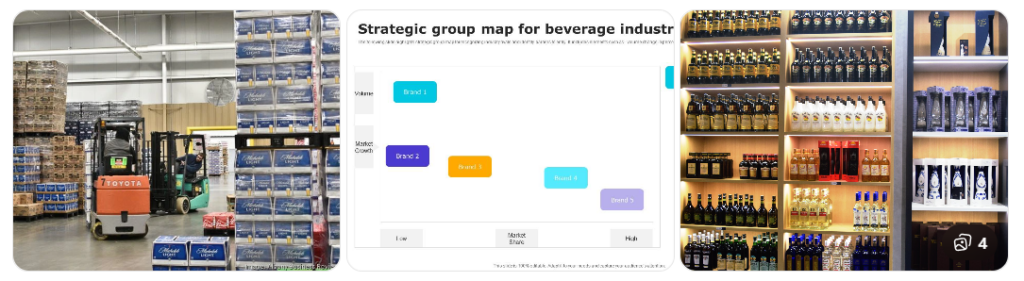
Entering a new state market often begins with securing distribution agreements and initial retail placements. However, many brands discover that distribution without demand rarely leads to sustained success.
Retail buyers and distributors increasingly expect new products to demonstrate early consumer traction. Without strong sell-through data, new SKUs can quickly lose shelf space.
Several factors contribute to this challenge:
- Retailers face limited shelf space and cooler capacity
- Distributors manage large portfolios of competing brands
- Consumers tend to purchase familiar or recommended products
Industry estimates suggest that as many as 60–70% of new beverage SKUs struggle to achieve consistent reorder rates within the first year, particularly in competitive categories such as ready-to-drink cocktails, craft spirits, and flavored malt beverages.
To overcome these barriers, brands must create immediate consumer engagement. Sampling programs provide one of the most direct paths to building that engagement.
Why Sampling Works in New Market Entry
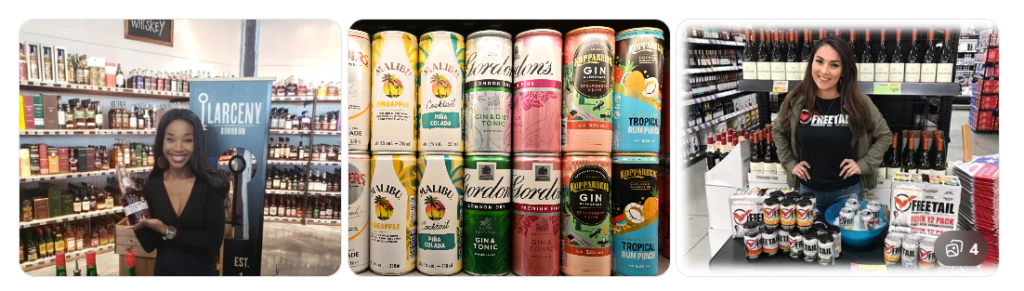
Sampling is uniquely effective because it addresses one of the biggest barriers to trial: consumer uncertainty.
When entering a new state, most consumers are unfamiliar with the brand. Sampling allows brands to introduce flavor profiles, explain the product story, and answer questions in real time.
Research across beverage alcohol categories consistently shows that consumers who sample a product are significantly more likely to purchase it compared with those who only see it on shelf.
Estimated industry benchmarks suggest:
- 20–30% immediate purchase conversion after sampling
- Higher repeat purchase rates among sampled consumers
- Increased brand recall when sampling includes education and storytelling
Sampling also provides an opportunity to support distributor sales teams by creating consumer demand that retail buyers can observe directly.
Step 1: Identify Priority Markets Within the State
A common mistake during state expansion is attempting to activate too broadly. Successful brands typically focus on specific metropolitan areas or retail clusters rather than the entire state.
Target markets are often selected based on:
- Population density
- Retail concentration
- Category sales performance
- Distributor priorities
For example, a spirits brand entering a large state might concentrate its initial sampling programs within two or three major metropolitan markets, ensuring that retail activations reinforce distributor sales efforts in those areas.
This targeted approach helps brands build visible consumer momentum, which can accelerate adoption by other retailers.
Step 2: Coordinate Sampling With Distributor Sales Efforts
Sampling programs are most effective when coordinated closely with distributor sales teams.
Distributors often prioritize brands that actively support market development. When sampling programs align with sales outreach, retailers receive a clear signal that the supplier is invested in building demand.
Effective coordination typically includes:
- Sharing sampling schedules with distributor representatives
- Prioritizing retail accounts targeted by the distributor
- Aligning activations with promotional windows or product launches
- Providing feedback to distributor teams after activations
For example, if a distributor is targeting 30 priority accounts in a metro market, sampling programs can be structured to support those locations during the first 60–90 days of launch.
This collaboration strengthens relationships with both distributors and retail buyers.
Step 3: Focus Sampling Where Purchase Decisions Happen
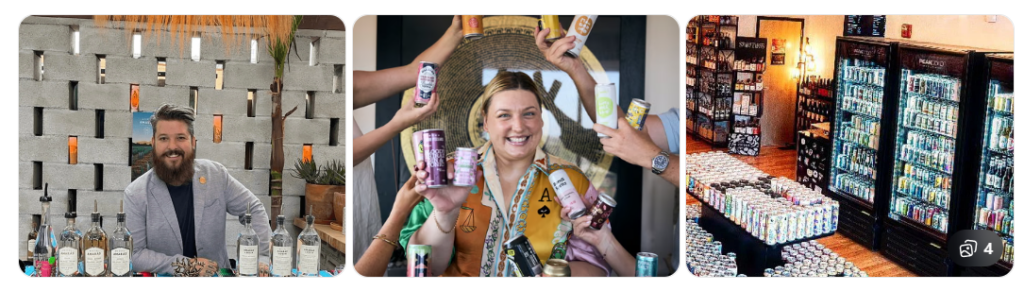
Location plays a major role in sampling success.
The most effective activations typically occur at or near the point of purchase, where consumers can immediately buy the product after tasting it.
High-performing sampling locations often include:
- Liquor stores with strong category sales
- Grocery stores with dedicated alcohol sections
- Retailers known for product discovery
- High-traffic urban retail environments
Sampling can also support on-premise placements by introducing the product to bartenders and beverage directors.
In some cases, brands combine retail tastings with bar activations, ensuring that consumers encounter the product in multiple contexts within the same market.
Step 4: Capture Data From Every Activation
Sampling programs generate valuable insights—but only when the data is captured and analyzed.
Modern activation platforms allow brands to collect metrics such as:
- Number of samples distributed
- Estimated consumer engagement
- Sample-to-purchase conversion rates
- Consumer feedback on taste and packaging
These insights help brand teams evaluate critical questions:
- Which retail locations generate the strongest results?
- Which markets respond most positively to the product?
- Which messaging resonates most with consumers?
By capturing these insights systematically, brands can refine their expansion strategy and allocate marketing resources more effectively.
Technology-enabled sampling platforms also help supplier teams monitor field execution across multiple markets simultaneously.
Step 5: Build Momentum Before Expanding Further
Once sampling programs generate strong consumer response in initial markets, brands can begin expanding within the state.
Indicators that a market is ready for broader expansion often include:
- Consistent retail reorders
- Strong sampling conversion rates
- Positive distributor feedback
- Increased consumer demand at retail locations
Scaling gradually allows brands to maintain momentum while avoiding the operational challenges of expanding too quickly.
This disciplined approach also strengthens relationships with distributors, who can see measurable demand developing in the market.
Actionable Takeaways for Beverage Brand Expansion
Brands planning to enter new states can improve their success rate by following several key principles:
Focus on priority markets first
Target metropolitan areas with strong category demand.
Align sampling with distributor goals
Coordinate activations with distributor sales efforts.
Activate near the point of purchase
Retail tastings often generate the highest immediate conversion rates.
Capture meaningful data
Measure performance to refine future expansion strategies.
Scale after validating demand
Expand distribution only after early markets demonstrate strong retail velocity.
Conclusion: Data-Driven Sampling Accelerates Market Expansion
Breaking into new states requires more than simply adding distribution. Beverage brands must build consumer awareness quickly while supporting distributor sales teams and demonstrating retail performance.
Strategic sampling programs remain one of the most effective tools for accomplishing these goals. When executed with strong coordination and measurable performance tracking, sampling can transform new market entries from uncertain experiments into structured growth strategies.
For brands navigating expansion across multiple regions, technology-enabled activation platforms that support national execution while capturing real-time insights can provide a significant advantage.
In an increasingly competitive beverage landscape, data-driven sampling programs help turn early consumer trial into lasting market presence.